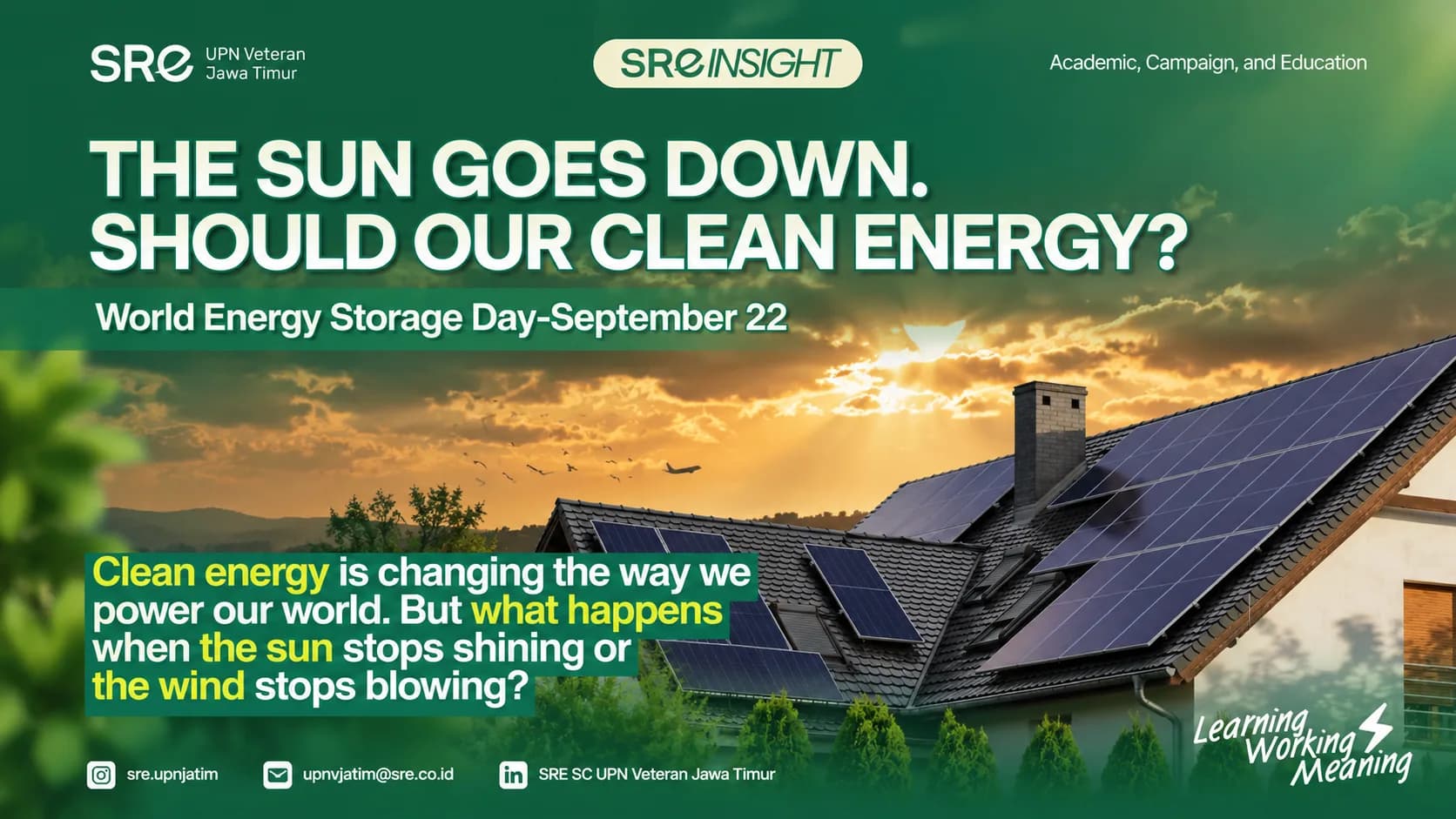
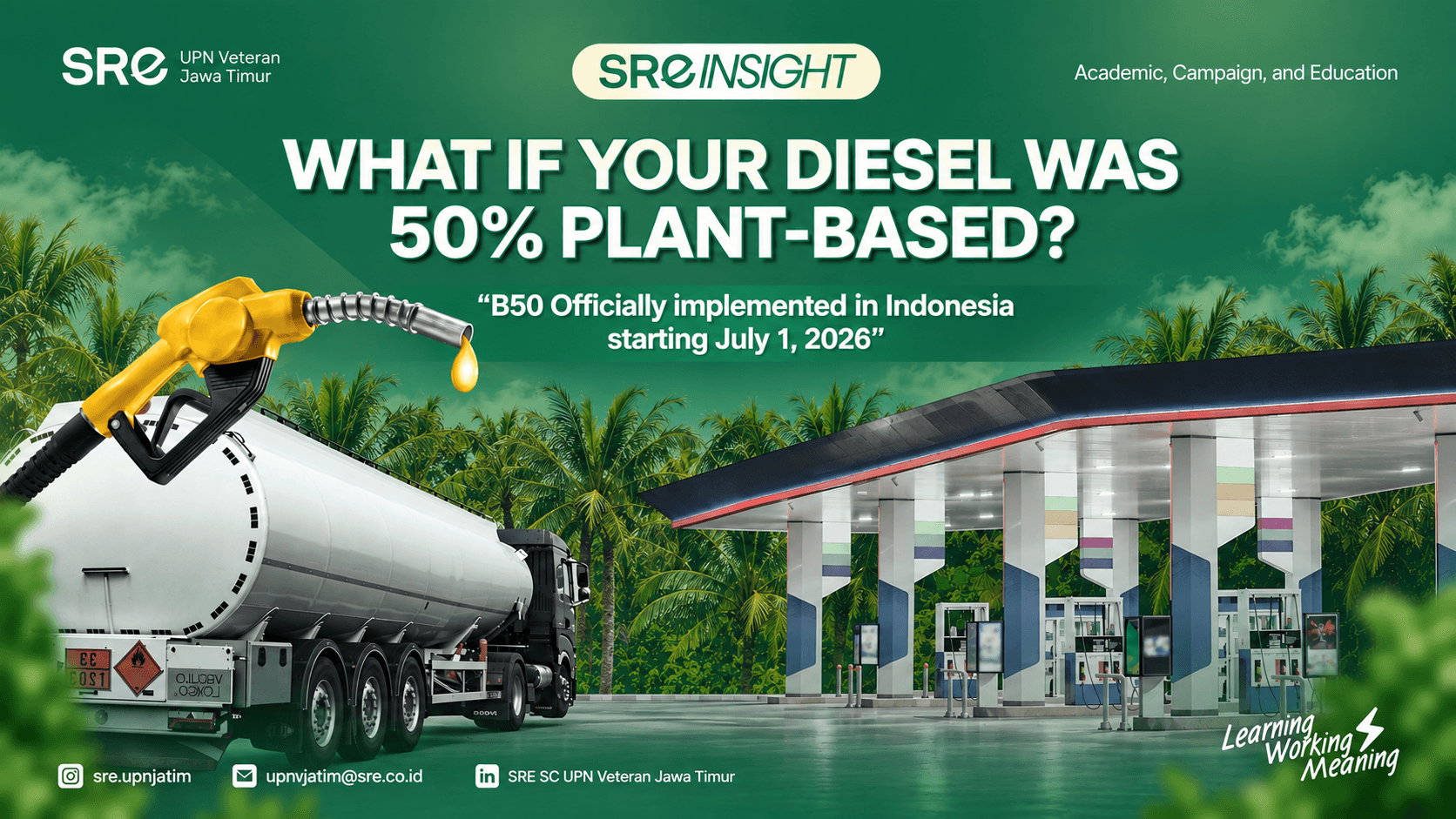
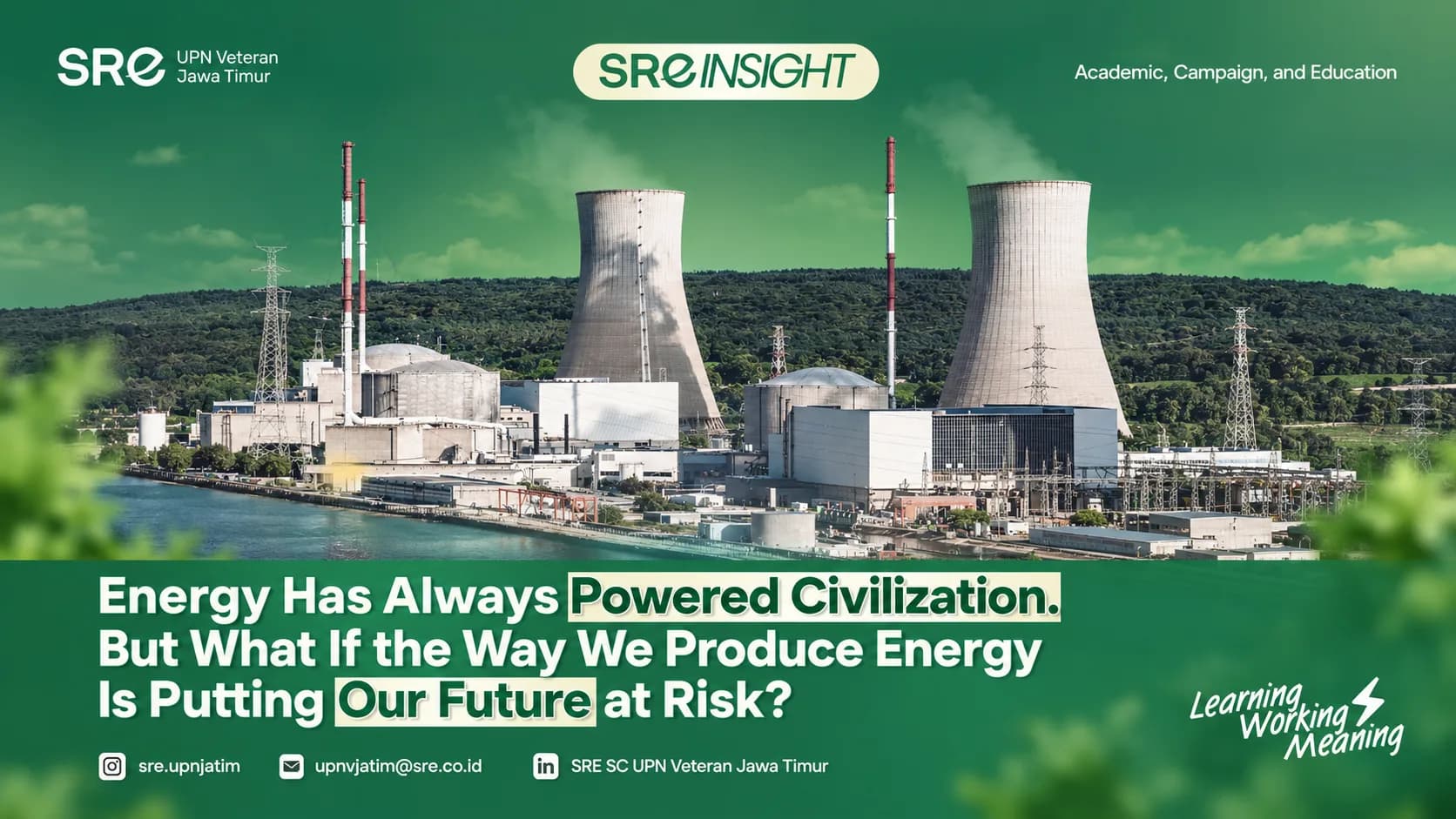
They Say Energy Powers Civilization — So Why Is the Way We Produce It Threatening Our Future?
For over a century, the world has run on the same fuel. Now that fuel is starting to threaten the very future it helped build. How did we get here?
Why Is the Way We Produce Energy Considered a Problem?
Almost every human activity depends on energy. From electricity at home, to transportation, to industrial processes — all of it requires a stable energy supply.
For more than a century, that demand has largely been met by fossil energy: coal, petroleum, and natural gas. These energy sources have indeed driven the development of technology, industry, and the global economy. But as it turns out, relying on fossil energy carries two major challenges:
It's finite, because it takes millions of years to form.
It produces greenhouse gas emissions that accelerate climate change when used.
📊 CO₂ emissions from the energy sector reached a record high of around 37.4 billion tonnes in 2023, most of it coming from fossil fuel use.
🫁 Air pollution from burning fossil fuels increases the risk of respiratory disease, heart disease, and premature death. The WHO reports that air pollution causes around 6.7 million premature deaths worldwide every year.
So, Is There a Solution?
Of course there is — we call it renewable energy.
Renewable energy is energy derived from natural resources that are continuously replenished through natural processes, making it possible to use sustainably. Compared to fossil energy, renewable energy produces lower emissions and is one of the key solutions in building a cleaner energy system.
According to Global Organizations
Organization
Definition
IEA(International Energy Agency)
Renewable energy comes from natural resources that are continuously replenished, such as sunlight, wind, water, biomass, and geothermal heat.
IPCC(Intergovernmental Panel on Climate Change)
Renewable energy is energy derived from solar, geophysical, or biological sources that are replenished naturally at a rate equal to or faster than their rate of use. It includes biomass, solar energy, geothermal heat, hydropower, ocean energy, and wind energy, which are then converted into heat, fuel, or electricity.
What Are the Sources of Renewable Energy?
☀️ Solar Energy
The sun shines on the earth every day. That light can be captured by solar panels and converted into electrical energy.
Examples: rooftop solar panels, solar-powered street lights, and solar power plants.
🌊 Hydro Power
River flows and dams hold energy that can spin turbines to generate electricity.
Examples: hydroelectric power plants such as the Cirata Reservoir or the Saguling Hydroelectric Plant in Indonesia.
🌱 Bioenergy
Plant residue, agricultural waste, and even livestock manure can be processed into fuel or electricity.
Example: biogas from cattle manure used as cooking fuel in some villages.
🌋 Geothermal Energy
Heat from within the earth is harnessed to produce steam that spins power-generating turbines.
Example: geothermal power plants.
Why Is the World Shifting Toward Renewable Energy?
The transition to renewable energy is not just about following a global trend. Countries are shifting because renewable energy can address several challenges the world is facing today.
There are five main reasons driving this transition:
🌍 Reducing carbon emissions.
🌡️ Addressing climate change.
⚡ Strengthening energy security.
📈 Driving the green economy and technological innovation.
🤝 Supporting sustainable development goals.
What About Indonesia's Renewable Energy Potential?
As an archipelagic nation in the tropics, Indonesia holds enormous renewable energy potential — year-round sunlight, the world's largest geothermal reserves, abundant river flows, windy regions, and biomass from its agriculture and forestry sectors. This potential is a key asset in supporting the country's energy transition.
Hydropower
As an archipelagic nation with thousands of rivers and a long coastline, Indonesia has enormous hydropower potential. National hydropower potential is estimated at around 94,449 MW.
Geothermal Energy
Indonesia is one of the countries with the largest geothermal reserves in the world, sitting on the Pacific Ring of Fire. The earth's core temperature is estimated to reach around 6,000°C, while the outer core layer sits at around 3,800°C. This heat generates a thermal energy flow estimated at around 42 million MW, projected to remain available for billions of years.
Solar Energy
Indonesia has enormous solar energy potential due to its equatorial location, receiving sunlight almost year-round. On average, solar radiation in Indonesia is above 4 kWh/m²/day, strongly supporting the development of solar power plant technology. Measurements across regions show solar radiation intensity in western Indonesia ranges around 4.5 kWh/m²/day, while eastern Indonesia reaches around 5.1 kWh/m²/day, with annual variation of about 9–10%.
Wind Energy
Indonesia has significant opportunity for wind energy development, particularly in coastal areas, which generally have higher wind speeds than inland regions. Wind power plants typically require a minimum wind speed of around 1.6 m/s (class 3) to begin operating effectively, while maximum operating speed is in the range of 17.1 m/s.
One Change, Many Impacts
The energy transition doesn't just change how we generate electricity — it creates a ripple effect across many aspects of life.
🌱 Renewable Energy — Harnessing renewable sources such as sunlight, wind, water, biomass, and geothermal heat as a replacement for fossil energy.
🌍 Lower Carbon Emissions — Renewable energy produces far lower greenhouse gas emissions, helping reduce the leading cause of climate change.
🍃 Cleaner Environment — Lower emissions mean better air quality, less pollution, and better-preserved ecosystems.
❤️ Healthier Communities — Cleaner air lowers the risk of respiratory disease and improves quality of life.
💼 A Growing Green Economy — Renewable energy development opens up investment opportunities, creates new jobs, and drives eco-friendly technological innovation.
🌍 A More Sustainable Future — A healthier environment, a growing economy, and stronger energy security become the foundation for future generations.
Keep exploring. Your journey toward understanding renewable energy starts here.
Designed by: Faqih Romadon
Written by ACE:Muhammad Yusuf YasjudanAditya Alvarel Raka ArdhanaAhmad Risky FirdiansyahHanifah Manzilatun Ni'mah
Published by: Web Development Division – Media and Creative Department
References: IEA (International Energy Agency), IPCC (Intergovernmental Panel on Climate Change), WHO (World Health Organization)